אלול comes every year

preparing for my beloved

As we begin Elul, the month before Rosh haShan­nah, prepa­ra­tions for the new year start.

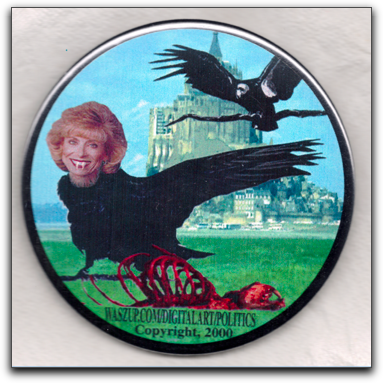
blowing shofar

blow­ing shofar

As I wrote last year (August 20, 2009) at this time, the Hebrew word אלול is con­sid­ered an acronym for the phrase from the Song of Songs: 6:3a…

אני לדודי ודודי לי = I am my beloved’s, and my beloved is mine.

The phrase is meant to sug­gest a lov­ing rela­tion­ship between the Cre­ator and the Jew­ish peo­ple, or at this time of year a much more per­son­al rela­tion­ship between God and each indi­vid­ual who is ready to re-eval­u­ate hirs actions as the world begins to con­strict (at least in the north­ern hemi­sphere). [“hirs” is my own con­trac­tion or com­bi­na­tion of “his” and “hers”]


To help in this prepa­ra­tion, I have brought for­ward links to a num­ber of tools I devel­oped last year at this time. Dur­ing the month of elul and through Yom Kip­pur, they will avail­able in the side­bar on the right.

name the day

One way of prepar­ing is to blow sho­far each day of Elul to “wake us up” to the tasks ahead.

There are many ways of approach­ing Rosh haShan­nah. Two of the terms that refer to this day can help us focus on its imme­di­ate mean­ing for us as indi­vid­u­als. These are Yom Harat Olam: The day of the cre­ation of the world and Yom Teru’ah the day of the sho­far blast; the lat­ter com­ple­ments and adds mean­ing to the former.

Long ago, there was debate as to which sea­son should be cho­sen as that for the cel­e­bra­tion of the New Year. One rea­son that this time, the new moon clos­est to the autum­nal equinox was select­ed was the unique coin­ci­dence that the first word of the Torah בראשית is an ana­gram (has the same let­ters, but mixed up in a dif­fer­ent sequence) as the Hebrew term for today’s date: א בתשרי (the first day of the month of Tishre). The begin­ning began on this day, Rosh haShan­nah! Not only that, the ancient rab­bis taught that it was on this day, Rosh haShan­nah, and in the first hour of this day that the thought came to the cre­ator to form Adam: humanity.

This con­cept of a cre­at­ed world is of great impor­tance. It is so sig­nif­i­cant that we Jews cel­e­brate the event of the cre­ation. We do this by rec­og­niz­ing that just as the world was cre­at­ed and is cre­at­ed anew each year, so we, as crea­tures with­in the world have the abil­i­ty to renew and be renewed each year. In fact, think of it a moment: of all the things in this world with which we come into con­tact, what is the most com­plex sin­gle cre­ation over which we have the abil­i­ty to shape, renew and improve? Our­selves. The idea of a cre­at­ed world and re-cre­at­ed human being serves as a basis for the con­cept of free will. In fact it is so impor­tant that the ancient rab­bis believed that when an indi­vid­ual, —let’s say I— act incor­rect­ly dur­ing the year, a record of the trans­gres­sion is inscribed in faint ink in the Book of Life (like writ­ing in lemon juice on paper). If I repent and cor­rect my ways dur­ing the ten days of repen­tance, the record is erased. But, if I don’t, it is rewrit­ten in indeli­ble ink (the heat gen­er­at­ed by my not repent­ing caus­es the lemon juice to become vis­i­ble), and these acts become an in-expunge-able part of my character.

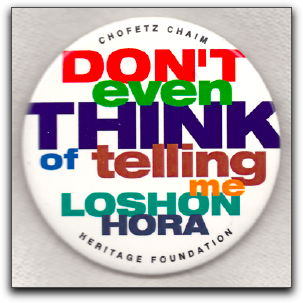
invisilbe ink message revealed

invisilbe ink mes­sage revealed

unabashed confrontation

And so, at this time of year, we are forced into an unabashed con­fronta­tion with life. We turn back from those things we did that we would have been bet­ter off not hav­ing done. And we look around us and watch the nat­ur­al world doing the same thing. Autumn approach­es and we see the world draw­ing into itself. Vis­i­ble growth slows down. Ani­mals and plants take the time now to col­lect their ener­gies and focus their activ­i­ties on what they must do to ensure that they also are inscribed in the Book of Life for the new year.

The Bible also gives cer­tain lit­er­ary hints that this may have occurred dur­ing the pro­ces­sion of gen­er­a­tions on the earth. For ten gen­er­a­tions after the cre­ation, the Bible tells us, the ways of human­i­ty dete­ri­o­rat­ed: from the mur­der of Able by Cain his broth­er, through the haughty build­ing of the tow­er of Babel, till the tenth gen­er­a­tion, that of Noah. It was then after ten gen­er­a­tions when repen­tance was pos­si­ble but did­n’t occur that God decid­ed to clear away the dross and begin again. God made a new attempt at cre­ation after the waters of the flood reced­ed. (And, on top of that, tra­di­tions sug­gest that the cleans­ing flood even began in Tishre. How­ev­er, even the descen­dants of Noah did not live up to God’s expec­ta­tions. Not much time passed before they, too, began to act in evil ways. But this time (again, after ten generations—a nice lit­er­ary device), instead of destroy­ing the world and all human­i­ty, God tried a dif­fer­ent method: focus on one part of the world, one fam­i­ly among all of human­i­ty, the fam­i­ly of Abra­ham. God decid­ed (the ancient rab­bis tell us) that through the descen­dants of this cou­ple (Abra­ham and Sarah), the world would be inscribed for life. Ten gen­er­a­tions after Noah marked the birth and selec­tion of Abra­ham and Sarah; a new attempt to cre­ate a per­fect world.

And, I’ve heard, anoth­er ten gen­er­a­tions passed since the time of Abra­ham dur­ing which peri­od we lived through the most try­ing time of our ear­ly his­to­ry. After famine occurred in our land we went to Egypt where we were tricked into slav­ery and began serv­ing oth­er gods. A new cre­ation hud­dled in the shad­ows of Pharao­h’s store­hous­es, ready to take its place in his­to­ry. From the fam­i­ly of Abra­ham and Sarah to the Nation of Israel. In our strug­gle toward for­ma­tion we received ten con­strain­ing Commandments.

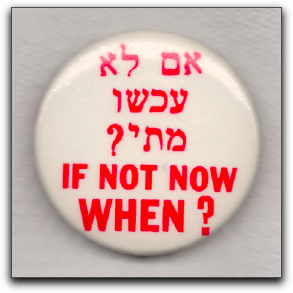
blacksmith at work

black­smith at work

Like the heat­ed iron of the black­smith, put into the hot coals, then beat­en on the anvil, we were shaped, con­cen­trat­ed, com­pact­ed till our for­ma­tive process was com­plet­ed and we were cast into the world, ready to re-enter our land. Ten gen­er­a­tions of cre­ativ­i­ty shaped by lim­i­ta­tions and formed by con­trac­tions: Adam to Noah, Noah to Abra­ham and Sarah, Abra­ham and Sarah to Moses.

we have the ability to create our selves

Our prepa­ra­tion begins now, at the begin­ning of Elul, as our cre­ation begins on Rosh haShan­nah. For ten days we con­cen­trate those ener­gies, cleans­ing our­selves, puri­fy­ing our­selves, to be inscribed into the Book of Life on Yom Kippur.

helpful reminders

elul alert

elul alert

But, we often need help. We need reminders, alerts and alarms to get us to cut back and encour­age us to begin the process. The sho­far helps.

That oth­er name: Yom Teru’ah, the day of the Sho­far Blast. Yes, even the youngest of us knows that on Rosh haShan­nah we blow the Sho­far. But to name this great and awe­some day after a musi­cal instru­ment or a part of an ani­mal? There must be more to it all. And there is. The clue is, of course, in one of the Torah read­ings for Rosh haShan­nah: the Akedah, the bind­ing of Isaac. The sto­ry of Abra­ham and Isaac’s jour­ney pro­ceeds at an unbear­ably rapid pace, and for a time it tru­ly seems that Isaac will actu­al­ly be sac­ri­ficed. As though, like us, Abra­ham must cut back on an aspect of him­self at this time of year to con­tem­plate his cre­ation, and Isaac (per­ish the thought) is what must be giv­en up! In fact, when I first start­ing think­ing these thoughts, I awoke from a night­mare in a sweat, hav­ing dreamed that indeed Abra­ham had actu­al­ly sac­ri­ficed his son as a par­ing away of his own unruly growth. We all know that Isaac was not sac­ri­ficed, and yet, the Bible’s sto­ry is awe­some­ly pow­er­ful and com­pelling each time we read it.

awesome horns

awe­some horns


What was it that Abra­ham offered in place of Isaac? The ram. We read that an angel told Abra­ham not to slaugh­ter his son. I like to think that this was actu­al­ly the bray­ing of the ram stuck by its horns in the thick­et that caught Abra­ham’s atten­tion. It was the ram’s horn itself that sig­naled the change in the turn of events and deter­mined that even if Abra­ham was to draw back on his unbri­dled growth, he was cer­tain­ly not to sac­ri­fice his son, his only son, whom he loved, Isaac. Sim­i­lar­ly, the sho­far, this ram’s horn is also a sym­bol, and when sound­ed, a cry out to us that it is time to change our ways.

The word [many browsers do not dis­play the point­ed Hebrew well] שׁוֹפַר (sho­far) is, of course, a noun, but when pro­nounced: שִׁפֵּר (sheepair), it becomes a verb and actu­al­ly means to improve and to cleanse! The ancient rab­bis, aware of the poet­ic pos­si­bil­i­ties inher­ent in this dou­ble mean­ing taught that God says: If you cleanse your deeds, then I will be to you like the sho­far. Just as the sho­far draws in the air from the nar­row end and emits it from the wide end, so I will get up from the throne of Judg­ment from which I make tight, strin­gent, deci­sions and sit down upon the throne of Mer­cy, and turn for you the attribute of judg­ment into the attribute of mercy.

We can also see this in the actu­al shape of the sho­far, its sound and the method for pro­duc­ing that sound. It takes great con­cen­tra­tion of mind and mus­cle at the nar­row end of the sho­far, before the broad pow­er­ful tones come out the open end. The tones them­selves play a role in the con­cen­trat­ing and redi­rect­ing of our cre­ative lives. The ancient rab­bis tell us that, metaphor­i­cal­ly, the sound of “Tek­i’ah” urges us to beg for God’s mer­cies. Then, the sound of “Teru’ah-She­varim” actu­al­ly shat­ters the enslave­ment of our hearts to unwor­thy desires.

A sto­ry is told about the West­ern Wall of the Tem­ple in Jerusalem which has been the object of fric­tion between Arabs and Jews for many years. In 1929, the British con­trolled the area. To appease the Arabs, the British for­bade the tra­di­tion­al sound­ing of the sho­far at the West­ern Wall at the end of Yom Kip­pur. But the Jew­ish under­ground of the time ignored this prohibition.

That Yom Kip­pur as the ser­vice at the wall came to the final prayers, the Ne’i­lah. The can­tor chant­ed the final Avinu Malka­ynu. He added a phrase to the prayers– “Avinu Malkeinu, Our Father our King, we have the sho­far; draw a cir­cle around us.” The British guards were obliv­i­ous, but the Jews under­stood the Hebrew, but did not know what to expect. Sud­den­ly, at one end of the wall, a clear sho­far sound came out of a child’s voice. The British police imme­di­ate­ly sur­round­ed the child. At that very moment, a Teki­ah Gedolah, the long sho­far sound for the end of the ser­vice for Yom Kip­pur, rever­ber­at­ed from the oth­er end of the wall.

All the wor­shipers spon­ta­neous­ly recit­ed “Next year in Jerusalem rebuilt” and then sang Hatikvah.

The fol­low­ing year, a man named Moshe Segal blew the sho­far at the con­clu­sion of Yom Kip­pur. He was imme­di­ate­ly arrest­ed by the British. They held him at the police sta­tion with­out food until mid­night, when he was released. Only then did he learn how his release came about: the chief rab­bi of Pales­tine, Abra­ham Isaac Kook had phoned the British and said, “I have fast­ed all day but I will not eat until you free the man who blew the shofar.”

The sec­re­tary had replied, “But the man vio­lat­ed a gov­ern­ment order.”

Rab­bi Kook replied, “He ful­filled a mitz­vah reli­gious commandment.”

Years lat­er dur­ing the Six-Day War, when the Israeli Defense Forces recap­tured the Old City of Jerusalem Jews gath­ered at the West­ern Wall for the first time since 1948. The sho­far was again sound­ed to pro­claim the vic­to­ry and to reassert the right of Jews to wor­ship in free­dom at that sacred site. A few months lat­er, at the end of Yom Kip­pur that year, the sho­far was sound­ed at the West­ern Wall—by that same man, Moshe Segal. The sho­far, once again, sound­ed as a sym­bol of con­ti­nu­ity, call­ing us to pay close atten­tion to our actions in this world.

I do not know where I first learned this sto­ry. How­ev­er, some­thing about it does not make sense. The boy referred to “Moshe Segal” is lat­er known as Moshe Meron. The Wikipedia arti­cle about Meron men­tions that he was born in 1926, but did not make Aliyah until 1936. Either he was too young to have blown sho­far in 1929, or was not there until years after the event report­ed in the story.

Every­thing about this sea­son as we approach the days of Rosh haShan­nah and Yom Kip­pur is direct­ed at encour­ag­ing us to draw in our unbri­dled ener­gies and con­cen­trate them anew in the appro­pri­ate direc­tions. We have the sho­far, with its sounds, shapes and method for pro­duc­ing tones, sig­nal­ing us that the time has come to re-eval­u­ate. There are the ten days, between Rosh haShan­nah and Yom Kip­pur, sym­bol­ic of the var­i­ous ten gen­er­a­tions dur­ing which the work of God’s cre­ation con­tract­ed and was redi­rect­ed anew. And final­ly, and per­haps most sim­ple, we have the exam­ple of that cre­at­ed world all around us as it begins to draw into itself in re-creation.

Elul, begins this peri­od that offers us the chance, one might say presents us with the respon­si­bil­i­ty of renew­ing the con­cep­tion and cre­ation of our selves. It is our choice.

The sages said “God will say to Israel, even to all human­i­ty, — ‘My chil­dren, I look upon you as if today, on Rosh haShan­nah, you have been made anew, as if today I cre­at­ed you—a new being, a new peo­ple, a new human­i­ty.’ ” On Rosh haShan­nah, Yom Harat Olam, the day of the cre­ation of the world, we are cre­at­ed with a con­ser­va­tion of our ener­gies so they can be direct­ed cor­rect­ly. Rab­bi Tahli­fa said: “The Com­mand­ments con­cern­ing all sac­ri­fices read: ‘And you shall offer,’ but the one con­cern­ing sac­ri­fice on Rosh haShan­nah reads ‘And you shall make.’ ” How­ev­er, he con­tin­ues: “We should read: ‘And you shall be made,’ for after you are dis­missed from the Tri­bunal of Jus­tice above, where you have sac­ri­ficed your inap­pro­pri­ate behav­iors, and then leave, being blessed by the attribute of mer­cy, you are as fresh­ly created.”

As a final reminder—which we learn dur­ing the sho­far ser­vice, we should be aware that all good things come to Israel through the sho­far. We received the Torah with the sound of the sho­far all around Mount Sinai. We con­quered in the Bat­tle of Jeri­cho through the blast of the sho­far. We are sum­moned every­day this month and through Rosh haShan­nah until Yom Kip­pur to repent through the sound of the sho­far. And we will be made aware of the Redeemer’s arrival through the great sho­far blast that is yet to occur.

just jew it

just jew it

Date: 2000s
Size: 5.6
Pin Form: safe­ty
Print Method: cel­lu­loid
Text JUST JEW IT

your lapel buttons

Many peo­ple have lapel but­tons. They may be attached to a favorite hat or jack­et you no longer wear, or poked into a cork-board on your wall. If you have any lay­ing around that you do not feel emo­tion­al­ly attached to, please let me know. I pre­serve these for the Jew­ish peo­ple. At some point they will all go to an appro­pri­ate muse­um. You can see all the but­tons shared to date.

Posted in from the archives, holidays, judaica, lapel buttons, ritual | Tagged , , , , , , , , | 4 Comments

Hiroshima 広島市 Day Again (may we have many)

Last year at this time I wrote about the “MAD“ness of nuclear arma­ments. In essence:

There does not seem to be much value in having nuclear weapons.

They may exist for a MAD (Mutu­al­ly Assured Destruc­tion) pur­pose. And yet, many peo­ple tell me that Israel’s ene­mies don’t care about MAD, because they (as well as dis­pen­sa­tion­al­ist Chris­tians) believe that they will be in “a bet­ter place” after the destruc­tion. For those of us who believe that it is this world that counts, our task is to avoid such a destruc­tion. And then there’s the argu­ment from deter­rence. If Israel’s ene­mies are “MAD” enough to risk such destruc­tion, then, there is no deter­rent val­ue in any nuclear weapon.

I’m not a par­tic­u­lar­ly gullible per­son. In the ear­ly 1980s I worked with Yitz Green­berg. He would often refer to Elie Wiesel’s account in Night. Green­berg would bow his head, almost close his eyes and in a near whis­per, say that at one point dur­ing the Sho’a babies were tossed live into the cre­ma­to­ria in order to save the (approx­i­mate­ly) 2¢ it would have cost to gas them first. Faced with accounts like this, I tell peo­ple that I can believe anything.

Once I under­stood that I could believe that any­thing is pos­si­ble, I real­ized that I should be able to attempt to imag­ine the impos­si­ble (or at least the “high­ly unlike­ly”), as a form of exer­cise, to pre­pare myself.

Some­time since 1967 or so I con­sid­ered the pos­si­bil­i­ty of dis­play­ing an ambigu­ous­ly non-exis­tent nuclear device in the Kotel plaza. Think of the var­i­ous state­ments that makes.

ambiguous nuclear device in the kotel plaza

ambigu­ous nuclear device in the kotel plaza

Con­sid­er also the like­li­hood of a nuclear attack by one of Israel’s nuclear-armed ene­mies. Unless, of course they are com­plete­ly MAD, in which case noth­ing we might do would have any affect on their actions, why would any coun­try that wants to destroy Israel with a nuclear device also be will­ing to:

  • Destroy the entire Pales­tin­ian Arab population
  • Destroy the holy city of Jerusalem (Al Kuds with its mosque and shrine)?

We can assume that a mod­ern nuclear device (i.e. sig­nif­i­cant­ly larg­er than “Lit­tle Boy”), even if dropped on Tel Aviv, would destroy much of the sur­round­ing area and make it unin­hab­it­able for a sig­nif­i­cant amount of time.

little boy, the bomb dropped on Hiroshima

lit­tle boy, the bomb dropped on Hiroshima

What does any­one gain?

uninhabitable for a significant amount of time

How long a time is “significant”?

Our fam­i­ly has in per­son­al (though dis­tant) inter­est in Cher­nobyl (or as translit­er­at­ed from the Ukrain­ian: Chornobyl).

Hillel (Harry) Hurvitz

Hil­lel (Har­ry) Hurvitz


My pater­nal grand­fa­ther (and his father before him) was born in Cherni­hiv (or as we learned to pro­nounce it: Chernigov). Both Cher­nobyl and Chernigov are in what seem to be two love­ly, agri­cul­tur­al­ly fer­tile riv­er val­leys. The two cities are less than 50 miles away from each oth­er (as the crow flies, over two sets of hills/mountains with a third riv­er val­ley in between).
zone of alienation

from east (right) to west (left) Chernig­nov, Cher­nobyl and the ‘Zone of Alienation’


An arti­cle that appeared at tree­hug­ger (That’s an unashamed name!) on August 4, 2010 shared an inter­est­ing report. Near­ly 25 years have passed since the “acci­dent” of 1986. Since then, an area of near­ly 200 square miles, “the Cher­nobyl exclu­sion zone” was iso­lat­ed because of the nuclear dis­as­ter occurred. That area has been near­ly free of human con­tact. No humans have been “poach­ing”. Nonethe­less, ani­mals still strug­gle to sur­vive there.

I have heard that cur­rent nuclear pow­er-plant safe­guards are far bet­ter than they were in the mid 1980s. Yet, when­ev­er I do a Google search for some com­bi­na­tion of these three or four words:

  • nuclear
  • pow­er
  • civil­ian
  • safe­guards

I come up with sites that deal with Pak­istan, Iran, Israel, or India but not the civil­ian nuclear pow­er plant indus­try the Wikipedia arti­cle for which is exten­sive. How­ev­er, the arti­cle pri­mar­i­ly lists the major acci­dents, not what kinds of safe­guards have devel­oped. It is hard to know how safe any of these reac­tors are. In fact only on August 1, 2010, it seems, at least one drone crashed into the Bushehr reac­tor in Iran.

not sanguine

We were told that the kind of “acci­dent” we have expe­ri­enced this past sum­mer of 2010 in the Gulf of Mex­i­co with the Deep­wa­ter Hori­zon oil spill was high­ly unlike­ly. But that’s the way it is with accidents.

In Daniel Gilbert’s review of the recent book BEING WRONG, Adven­tures in the Mar­gin of Error by Kathryn Schulz, he presents the ques­tion: “why we don’t know we are mak­ing [errors]?” Indeed. And, when it comes to “unin­hab­it­able for a sig­nif­i­cant amount of time”, I’d rather be safe than sorry.

so what should we use for energy?

Of course, none of what I’ve writ­ten above answers the big ques­tion of how we con­tin­ue. I’ve also read that wind and solar col­lec­tion farms are nowhere near the scale we would need to pow­er our cur­rent uses.

I don’t, yet, have an answer for that question.

The fol­low­ing but­ton dates from the 1980s. It may be Isare­li made, though in its man­u­fac­ture, and the clum­sy style of its Hebrew let­ter­ing, it appears Amer­i­can made. It match­es Amer­i­can, Eng­lish-lan­guage ver­sions that date from the same peri­od. The text trans­lates as “Nuclear Pow­er? No Thanks”.

nuclear power, no thanks

כֹח‑גרעיני? לֹא‑תודה

Date: 1980s
Size: 3.81
Pin Form: straight clasp
Print Method: cel­lu­loid
Text כֹח‑גרעיני?
לֹא‑תודה

your lapel buttons

Many peo­ple have lapel but­tons. They may be attached to a favorite hat or jack­et you no longer wear, or poked into a cork-board on your wall. If you have any lay­ing around that you do not feel emo­tion­al­ly attached to, please let me know. I pre­serve these for the Jew­ish peo­ple. At some point they will all go to an appro­pri­ate muse­um. You can see all the but­tons shared to date.

Posted in family, lapel buttons | Tagged , , , , , , | Leave a comment