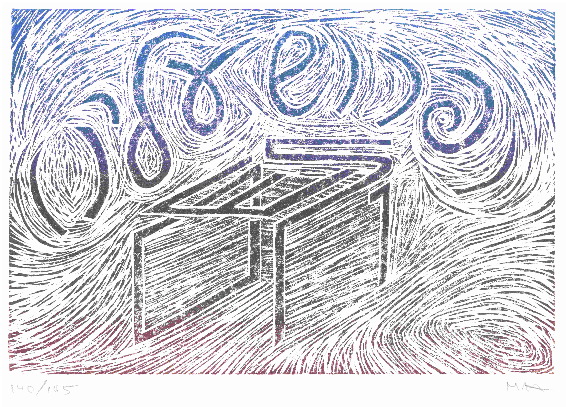
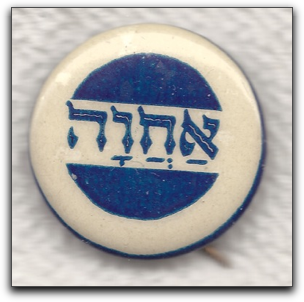
what’s the difference between 48 and 11?

back then

I under­stand that dur­ing the first half of the 20th cen­tu­ry not even the major­i­ty of world Jew­ry sup­port­ed a nation­al­ist solu­tion to Jew­ish exis­tence. Jew­ish work­ing class move­ments were gen­er­al­ly non-Zion­ist and many of the “lead­ers” of world Jew­ry were inter­na­tion­al­ists, look­ing for inter­na­tion­al solu­tions. Why, then, should I be sur­prised that the Pales­tin­ian peo­ple did not rec­og­nize nation­al­ism as potent force in their own approach to moder­ni­ty? As I wrote in a leaflet I pub­lished in 2002:

Who Are the Palestinians?

  • We con­sid­er Pales­tine as part of Arab Syr­ia, as it has nev­er been sep­a­rat­ed from it at any time. We are con­nect­ed with it by nation­al, reli­gious, lin­guis­tic, nat­ur­al, eco­nom­ic and geo­graph­i­cal bonds.

    Res­o­lu­tion adopt­ed by the First Con­gress of Mus­lim-Chris­t­ian Asso­ci­a­tions; Jerusalem, Feb­ru­ary, 1919 at a meet­ing to choose rep­re­sen­ta­tives for the Paris Peace Conference

  • There is no such coun­try [as Pales­tine]! “Pales­tine” is a term the Zion­ists invent­ed! There is no Pales­tine in the Bible. Our coun­try was for cen­turies part of Syr­ia.

    The words of Auni Bey Abdul-Hadi, local Arab Leader to the Peel Com­mis­sion (which came up with the sug­ges­tion to par­ti­tion the Land of Israel) in 1937

  • There is no such thing as “Pales­tine” in his­to­ry, absolute­ly not.

    Tes­ti­mo­ny of dis­tin­guished Arab-Amer­i­can his­to­ri­an, Prince­ton Uni­ver­si­ty Prof. Philip Hit­ti, before the Anglo-Amer­i­can Com­mit­tee 1946

  • Pales­tine was part of the Province of Syr­ia… polit­i­cal­ly, the Arabs of Pales­tine were not inde­pen­dent in the sense of form­ing a sep­a­rate polit­i­cal enti­ty.

    Arab High­er Com­mit­tee rep­re­sen­ta­tive to the Unit­ed Nations at the Gen­er­al Assem­bly, May, 1947

  • It is com­mon knowl­edge that Pales­tine is noth­ing but south­ern Syria
    Ahmed Shuqeiri (lat­er chair­man of the PLO) to the Secu­ri­ty Coun­cil (a few years later)

The Pales­tin­ian peo­ple did not care about or build a nation­al move­ment until Israel acquired con­trol of the West Bank and Gaza fol­low­ing the Six-Day War in 1967.

Now that Pales­tin­ian nation­al­ism is a force, the Pales­tini­ans must rec­og­nize the right of the Jew­ish peo­ple to its nation­al move­ment: Zionism.

Togeth­er, the two peo­ples can share the land.

coulda shoulda”

So… (as I pub­lished in anoth­er leaflet at that time):

why not this?

why not this?

Accord­ing to Unit­ed Nations Par­ti­tion Plan of 1948 a Pales­tin­ian state was cre­at­ed at the same time as the State of Israel

It offered a lot more ter­ri­to­ry than the Camp David pro­pos­als of 2000!

which came first…

the nation or the state?

That’s a hard one to answer, as the Wikipedia arti­cle on “nation state” makes clear. I thought I could learn some­thing about the pre­de­ces­sor of the mod­ern nation state by look­ing at the con­cept of “the peo­ple” or “peo­ple­hood”. But even here the ideas are scat­tered. The Wikipedia has arti­cles on “Jew­ish Peo­ple­hood” which has its ori­gins in the Bib­li­cal con­cept of עם ישראל, expressed in ear­ly Rab­binic times as “Kol yis­rael are­vim zeh bazeh – All Israel are respon­si­ble for one anoth­er.” [Tal­mud She­vuot 39a] and is sim­i­lar (prob­a­bly a cog­nate word) to the Mus­lim con­cept of أمة‎ “Ummah” and that idea is not all that far from the Eng­lish word “folk”.

So, when Pales­tin­ian Author­i­ty Pres­i­dent Mah­moud Abbas stood before the Unit­ed Nations Gen­er­al Assem­bly on Sep­tem­ber 23, 2011, I won­dered where he and his pre­de­ces­sors had been back in 1948! I imag­ine that oth­ers said “Nyah nyah, lost your chance.” But I am in favor of there being a State of Pales­tine along­side a State of Israel.

Pres­i­dent Abbas’ address to UN; 1,585 view­ings as of mid­night 20110923 [part 1]

Pres­i­dent Abbas’ address to UN; 302 view­ings as of mid­night 20110923 [part 2]

Pres­i­dent Abbas’ address to UN; 304 view­ings as of mid­night 20110923 [part 3]

text of Pres­i­dent Abbas’ address

I do, however, want to comment on this small part:

It is a moment of truth and my peo­ple are wait­ing to hear the answer of the world. Will it allow Israel to con­tin­ue its occu­pa­tion, the only occu­pa­tion in the world?

Uh, Turkey, the cur­rent great defend­er of the Pales­tini­ans, occu­pies Cyprus, Chi­na occu­pies Tibet; do those not count? The Wikipedia arti­cle on occu­pied ter­ri­to­ries enu­mer­ates many others.

Will it allow Israel to remain a State above the law and account­abil­i­ty? Will it allow Israel to con­tin­ue reject­ing the res­o­lu­tions of the Secu­ri­ty Coun­cil and the Gen­er­al Assem­bly of the Unit­ed Nations and the Inter­na­tion­al Court of Jus­tice and the posi­tions of the over­whelm­ing major­i­ty of coun­tries in the world?

Why does­n’t any­body repeat­ed­ly com­plain about the Turk­ish or Chi­nese occu­pa­tions, so there could be res­o­lu­tions they would reject? Or why was there no out­cry at the UN when using car­pet bomb­ing, Rus­sia destroyed much of Grozny or when Turkey kills scores of Kurds?]

Excel­len­cies,

Ladies and Gentlemen,

I come before you today from the Holy Land, the land of Pales­tine, the land of divine mes­sages, ascen­sion of the Prophet Muham­mad (peace be upon him) and the birth­place of Jesus Christ (peace be upon him)

Um, at the time, it was known as the King­dom of Israel or the Roman province of Judaea. What about Ahab king of Israel (peace be upon him) does he not count? Or, would men­tion­ing him (and his title, I could men­tion so many more, but Ahab is attest­ed to by the world pow­ers of his day) fal­si­fy Abbas’ claim to “the Holy Land, the land of Palestine”?

to speak on behalf of the Pales­tin­ian peo­ple in the home­land and in the the Dias­po­ra, to say, after 63 years of suf­fer­ing of the ongo­ing Nakba

Ah hah! So it’s not “the occu­pa­tion of the ‘West Bank’ ”, but the very cre­ation of Israel that is the issue to Abbas. He’s let the cat out of the bag!:

Enough. It is time for the Pales­tin­ian peo­ple to gain their free­dom and independence.

Well, yes, so why did not the Pales­tin­ian peo­ple accept the offer in 1948 and Unit­ed Nations Gen­er­al Assem­bly (yes, the same group before which he deliv­ers these remarks) Res­o­lu­tion 181?!

kuruth monolith

kurkh mono­lith of shal­maneser iii men­tion­ing ahab king of israel

i am no fan of bibi either

Prime Min­is­ter Netanyahu’s address to UN; 304 view­ings as of mid­night 20110923

text of Prime Min­is­ter Netanyahu’s address

pandering

I won­dered to whom Netanyahu was speak­ing when his open­ing remarks to the Gen­er­al Assem­bly dealt with the ter­ror­ist attacks of Sep­tem­ber 11, 2001 and he then went on to use the phrase “mil­i­tant islam” five times in the first eigh­teen para­graphs. Was he direct­ing his con­cerned remarks to the many Islam­ic states that are mem­bers of the UN, or was his audi­ence the Amer­i­can public?

Yos­si Vert­er writes in his col­umn in Haaretz Nobel no, Oscar yes

In 1978, when it was learned that Prime Minister​ Men­achem Begin had won the Nobel Peace Prize, for­mer prime min­is­ter Gol­da Meir​ remarked: “He deserves a Nobel?” adding that what he real­ly deserved was an Oscar.

If Gol­da were still with us, she could have res­ur­rect­ed her com­ment, this time with jus­ti­fi­ca­tion, with regard to Prime Min­is­ter Ben­jamin Netanyahu over his speech to the Unit­ed Nations Gen­er­al Assem­bly on Friday.

Netanyahu began and end­ed his speech with calls for nego­ti­a­tions. Towards the end of his talk he seemed to address Mah­moud Abbas directly:

In two and a half years, we met in Jerusalem only once, even though my door has always been open to you. If you wish, I’ll come to Ramal­lah. Actu­al­ly, I have a bet­ter sug­ges­tion. We’ve both just flown thou­sands of miles to New York. Now we’re in the same city. We’re in the same build­ing. So let’s meet here today in the Unit­ed Nations. (Applause.) Who’s there to stop us? What is there to stop us? If we gen­uine­ly want peace, what is there to stop us from meet­ing today and begin­ning peace negotiations?

Did Netanyahu call Abbas on his cell phone after the ses­sion? If not, why? If he did, what was Abbas’ response? Why have we not heard any­thing more about this? Or, was this no more than a form of grand­stand­ing on Netanyahu’s part?

show business

I’m not the only one who has been crit­i­cal of the pre­ten­sions of these lead­ers. Jere­my Ben-Ami, the founder of J Street, “the polit­i­cal home of the pro-Israel pro-Peace move­ment” appeared on the Col­bert Report:

Jon Stew­art sat­i­rized what it might take for Pales­tine to be admit­ted to the UN:

duplicity squared or goose and gander

There are enough half-truths and full lies tossed around to make one cry.

In his arti­cle Ori­gins of the Pales­tin­ian Uni­lat­er­al Dec­la­ra­tion of Inde­pen­dence, Jonathan Schanz­er writes exten­sive­ly on all the diplo­mat­ic maneu­vers (from upgrad­ing diplo­mat­ic mis­sions to full recog­ni­tion of state­hood by numer­ous coun­tries) over a six-year peri­od, as a lead-up to have Pales­tine admit­ted as a state at the UN, and then, in his final para­graph he wonders:

What Pales­tin­ian lead­ers plan to do in the after­math of their maneu­ver at the UN remains to be seen. Their options range from a legal cam­paign to a series of non­vi­o­lent protests to a full-blown vio­lent intifa­da. Regard­less of which path they take—and it could be a combination—this ini­tia­tive marks a new phase, now six years in duration,

and com­plains:

[that] Pales­tin­ian lead­ers have for­sak­en diplo­ma­cy in exchange for a posi­tion that may keep them at odds with Israel for many more years to come.

I think he means to state that they have for­sak­en nego­ti­a­tionswith Israel.

And what is so wrong with what Abbas has done? Is this not, as out­lined by Samuel Moyn in his arti­cle: “Face the Nations; By ask­ing the Unit­ed Nations to ful­fill their nation­al aspi­ra­tions, the Pales­tini­ans are fol­low­ing a script Israel’s founders wrote in the 1940s” anal­o­gous to what the pre-State lead­ers of Israel did in 1948? And has not Israel made a whole series of uni­lat­er­al actions? Aside from build­ing set­tle­ments in “dis­put­ed ter­ri­to­ry” there’s with­draw­al from Gaza. Is not what’s good for the goose also good for the gander?

imagine a more positive outcome

It’s not as though nobody knew this was com­ing. As Schanz­er made clear, a request for full mem­ber­ship in the UN has been in the works for six years. Even Pres­i­dent Oba­ma had hoped for an inde­pen­dent, sov­er­eign state of Pales­tine by this time.

As a friend men­tioned to me: “You got­ta won­der how things would play out if Israel shocked the world by sup­port­ing the Pales­tine res­o­lu­tion at the UN and vowed to do every­thing it could to imple­ment it peace­ful­ly.” I think (as usu­al) Bibi made a big mis­take in not agree­ing to this. A para­graph in an arti­cle in The New York­er “Mem­ber­ship Dues” by Steve Coll sug­gests the per­fect lead-up to the present situation:

Last year, Pres­i­dent Barack Oba­ma, in his annu­al speech to the Gen­er­al Assem­bly, devot­ed con­sid­er­able atten­tion to the Pales­tin­ian cause. He declared, in sup­port of renewed talks with the gov­ern­ment of Israeli Prime Min­is­ter Ben­jamin Netanyahu, “We can say this time will be dif­fer­ent,” adding, “If we do, when we come back here next year, we can have an agree­ment that will lead to a new mem­ber of the Unit­ed Nations—an inde­pen­dent, sov­er­eign state of Pales­tine.” But that hope has not yield­ed a work­able plan. Many Pales­tin­ian lead­ers have there­fore con­clud­ed that it may be impos­si­ble to achieve state­hood through nego­ti­a­tions with Netanyahu. Their pes­simism is well ground­ed; the evi­dence sug­gests that he seeks only to fob off the Pales­tin­ian Author­i­ty, as well as his allies in the Unit­ed States and Europe, in order to buy time to bankroll more set­tle­ments on the West Bank, which will change the con­tours of the con­flict. Nor is there any sign that Israeli domes­tic pol­i­tics will soon yield a coali­tion dif­fer­ent from the type Netanyahu over­sees, in which uncom­pro­mis­ing, expan­sion­ist par­ties hold deci­sive influence.

but, you know, it probably doesn’t matter

Because, as in the orig­i­nal title of Asso­ciate Pro­fes­sor of Mod­ern Arab Pol­i­tics and Intel­lec­tu­al His­to­ry at Colum­bia Uni­ver­si­ty, Joseph Mas­sad’s arti­cle in Al Jazeerz: “Either Way, Israel Wins”.

Whether the UN grants the PA sta­tus as a state or refus­es to do so, either out­come will be in Israel’s interest.

But, of course! It almost makes me appre­ci­ate the rea­son­ing of Netanyahu. The com­ments to the arti­cle, well, I only read the first few of at least 18 pages. They’re a bit hard to take (I sort­ed by old­est first). I encour­age you to steel yourself.

I still believe it should and can be different.

back in “the ’60s”

Yes, while I was alive in 1948, I have no rec­ol­lec­tion of that time. I do recall, how­ev­er, wear­ing these two but­tons togeth­er on my lapel dur­ing the ear­ly ’70s (which was a con­tin­u­a­tion of “the ’60s”). I sensed then, and still believe now that the two, no not direct­ly depen­dent one on the oth­er, go hand in hand. I can’t tell anoth­er peo­ple how to achieve its own self deter­mi­na­tion. How­ev­er, when there is no more Arab ter­ror against Israel and its cit­i­zens, more Israelis will feel free enough to encour­age and want true self deter­mi­na­tion for Pales­tini­ans. And, so, it con­tin­ues to pain me that these two “cousins” can­not seem to get their act togeth­er and “share their toys”.

image.jpg

SelfDeterminationForPalestine-300x300.png

Date:

1974

1970s

Size:

3.8

3.8

Pin Form:

straight

straight

Print Method:

cel­lu­loid

cel­lu­loid

Text:

STOP

ARAB

TERROR

Self

Deter­mi­na­tion

for Pales­tine

your lapel buttons

Many peo­ple have lapel but­tons. They may be attached to a favorite hat or jack­et you no longer wear, or poked into a cork-board on your wall. If you have any lay­ing around that you do not feel emo­tion­al­ly attached to, please let me know. I pre­serve these for the Jew­ish peo­ple. At some point they will all go to an appro­pri­ate muse­um. You can see all the but­tons shared to date.

Posted in lapel buttons, politics | Tagged , , , , , , | 2 Comments

a cold peace

where is this place מצרים? Is it the Egypt we know?

I ask these ques­tions in my Hag­gadah. And I answer:

Yes, though only the name of the place is the same, the peo­ple have changed. In fact we are at peace and allied with the Egypt of today.
The Egypt of the Hag­gadah is more than a place, it is more than a nation state, it is a state of mind.
Our Hebrew word for that place is “Mitzra’y­im”, that is: the straits, or nar­rows. The geo­graph­i­cal Mitzra’y­im is a pinched green strip of land in the midst of desert along the shores of the Nile Riv­er. The metaphor­i­cal Mitzra’y­im is any restriction.

I find it very sad to note that most of the Egypt­ian pop­u­la­tion seems to live in the metaphor­i­cal Mitzray’im even as their world expands due to their efforts of the events of the “Arab Spring”.

In an odd coin­ci­dence, The New York Review of Books, in its cur­rent issue (Sep­tem­ber 2, 2011), pub­lished an arti­cle by Yas­mine El Rashi­di, a for­mer colum­nist for the Wall Street Jour­nal, titled Egypt’s Israel Prob­lem.

And then, Fri­day night (Sep­tem­ber 9, 2011) Al Jazeera reported:
Egyp­tians break into Israeli embassy in Cairo

Inte­ri­or min­istry declares state of alert and prime min­is­ter sum­mons cab­i­net cri­sis team to dis­cuss the situation.

Actu­al­ly, the com­ments on the NYRB arti­cle are not half bad. I’m sur­prised at the lev­el of knowl­edge (and what com­ments get “liked”), in par­tic­u­lar this item by Steve Runci­man (no not that Steven Runci­man; there seem to be a num­ber of pos­si­bil­i­ties; who he is is unclear) on 09/04/2011 09:13 AM:

The arti­cle is some­what mis­lead­ing. Accord­ing to Israel, three of the ter­ror­ists, who killed civil­ians, were Egyp­tians and it seems undis­put­ed they emerged from right under an Egypt­ian army post. Does the Egypt­ian pub­lic know this, or care? The exact cir­cum­stances of the Egypt­ian deaths are unclear still — some of them may have been killed by the ter­ror­ists. But why wait for the facts when you can blame Israel? In addi­tion, left unstat­ed, is why is there this “deep root­ed” ani­mos­i­ty to Israel? Just say­ing Pales­tine is not enough. If the King­dom of Jor­dan occu­pied all of Pales­tine, would there be “deep root­ed” ani­mos­i­ty? Some­how I doubt it. No deep root­ed ani­mos­i­ty to Syr­ia when it occu­pied Lebanon. Pales­tine is just a word. The rea­son for the deep root­ed ani­mos­i­ty is pure­ly reli­gious. Why not acknowl­edge that? Because it would inter­fere with the pho­ny lib­er­al nar­ra­tive pre­sent­ed to the West.

deep rooted animosity

I saw some of the basis for this encour­aged ani­mos­i­ty when in Cairo in June 2007, where the book­store of the Cairo Sher­a­ton hotel in which we stayed car­ried an unpleas­ant selection.

books at cairo sheraton

yes, that is Mein Kampf on the left in the sec­ond row

more examples (selected from many) of encouraged animosity

august 18, 2011

Let’s take anoth­er look at the August 18, 2011 event, so we can have it here on record. It seems to be the imme­di­ate cat­a­lyst for the destruc­tion of the Israeli embassy in Cairo.

Israelis killed in attacks near Egypt border
Gun­men attack a bus car­ry­ing sol­diers, a car and a mil­i­tary patrol near south­ern resort of Eilat

Then a few hours later…

Egypt army offi­cer, 2 secu­ri­ty men killed in Israeli bor­der raid

We are told: “The three [Egyp­tians] were killed as the Israeli mil­i­tary chased mil­i­tants along the bor­der of Egyp­t’s Red Sea resort of Taba in South Sinai and the Israeli city of Eilat.”

I’ve been to Taba, it’s an easy walk from the Israeli bor­der cross­ing to what was an Israeli-built resort, the Taba Hilton.

at the border crossing

cross­ing from Israel to Egypt at Taba, Decem­ber 31, 1997

taba

the taba resort in egypt

This is where the events occurred:

taba to eilat route

bor­der & route from taba to eilat

three weeks and onward

How dif­fer­ent Egyp­tians saw the night of the Israeli Embassy break-in

While the events of the past three weeks are dispir­it­ing, and Fri­day night’s events in Cairo are par­tic­u­lar­ly upset­ting, I do not want to allow them to col­or my hopes for the Egypt­ian peo­ple. I know very lit­tle about Egypt­ian pol­i­tics. I have not watched the Twit­ter feed recent­ly and am not aware of any Twit­ter hash­tag for the events. @SmithSofia, a young (Egypt­ian?) woman I encoun­tered dur­ing this sum­mer’s Flotil­la attempt does not seem to be par­tic­u­lar­ly involved in what hap­pened at the embassy. I do, how­ev­er peri­od­i­cal­ly catch the tweets of a fel­low named @abuhatem a self-described “clas­si­cal lib­er­al”, who shared this thought on Sep­tem­ber 6.

If there are two par­ties plat­forms that could tru­ly build a mod­ern and free Egypt and be exam­ple to Arab world: Hamza­wy’s [Free­dom Egypt Par­ty] and [the] Free Egyp­tians [Par­ty].

I nev­er see ref­er­ence to these groups in the press that I have avail­able to me. I do not know what role they, or their members/followers, played in the events of this past week­end. I hope that, even if they do not expect to be the best of friends with Israel and the Jew­ish peo­ple, they will at least rec­og­nize the val­ue of the qui­et that we cur­rent­ly share if not a hoped for warm peace.

When I began think­ing about this sit­u­a­tion the valid­i­ty of the phrase

a cold peace is better than a hot war

came to mind. We have long felt that the peace sit­u­a­tion between Israel and Egypt had not lived up to the hopes expressed when Begin and Sadat met in Jerusalem in Novem­ber 19–20, 1977. It is not as warm as it could be, but it has def­i­nite­ly been bet­ter than war. I won­dered where the phrase “cold peace” orig­i­nat­ed. “Cold War” in con­trast with “hot war” is a phrase that seems to have been used first by George Orwell. When I searched for the phrase in Google, I did not come up with any­thing help­ful.

so I enlisted Jay

On a site that’s appar­ent­ly devot­ed to soc­cer an ongo­ing thread from at least 1999 has a 2002 com­ment with the phrase. A book from 2003 (which I have no inter­est in read­ing) cred­its Netanyahu with say­ing it (p. 67). A newslet­ter from an insti­tute at Ben Guri­on Uni­ver­si­ty notes that Arieh Naor used the phrase in a lec­ture he gave in 2004.

Most of the ref­er­ences seem to be to the Mid­dle East. One that brings up the phrase in the con­text of Bosnia is from
2005.

In 2002 a gamer used the phrase — seems to me in the con­text of an MMOG.

Jay added:
“Is there an orig­i­nal source? Had I known that nobody claimed it, I’d hap­pi­ly have tried to take out a copy­right on it. It’s strange that it does­n’t seem to have some­one his­toric behind it.”

Search­ing on quo­ta­tions sites, I quick­ly came to what appears to be the urtext:

The most disadvantageous peace is better than the most just war.

Desiderius Eras­mus (1469−1536) [an old­er contemporary/neighbor of Spin­oza; ah that Dutch renais­sance was a great time/place]

Amaz­ing­ly enough the Eras­mus’ phrase turns up (at the top, in alpha­bet­i­cal order) on a site devot­ed to Yid­dish Say­ings as though it had been invent­ed by Jews!

Regard­less of the phrase’s ori­gins, it’s valid­i­ty is real. I remem­ber how thrilled we were when Sadat vis­it­ed Jerusalem caus­ing a major shift in per­cep­tions through­out the region. One of the lim­i­ta­tions of the peace treaty signed by Sadat and Begin at Camp David was that it was signed by an Egypt­ian auto­crat, regard­less of how for­ward look­ing he may have been. A major com­plaint of the Egypt­ian peo­ple relates to the fact that they were not involved in the process of arrang­ing a peace treaty with Israel. That is rec­ti­fi­able. The Gene­va Accord, an Israeli-Pales­tin­ian Ini­tia­tive to End the Con­flict, like the Peo­ple’s Peace Treaty of Viet­nam War days, offers us all that oppor­tu­ni­ty. We can grow beyond our con­strict­ing bounds, reach out to one anoth­er and make the מצרים of the Hag­gadah no more than a metaphor for the past.

begin sadat button

للسلام שלום

I have had this but­ton for many years, though I’ve nev­er worn it. at 10.16 cen­time­ters (over 4″) in diam­e­ter, it’s a bit large and heavy. It is more of a sou­venir piece than a wear­able but­ton. Nonethe­less, I’m glad I have it, and I share it now as a reminder of a hope that peo­ple thought was impos­si­ble, yet came to be.

Date: 1977
Size: 10.16
Pin Form: clasp
Print Method: cel­lu­loid
Text للسلام שלום

SHALOM

ISRAEL EGYPT

Prime Min­is­ter Men­achem Begin Pres­i­dent Anwar el-Sadat

JERUSALEM

NOV. 19–20, 1977

HISTORIC PEACE MISSION

your lapel buttons

Many peo­ple have lapel but­tons. They may be attached to a favorite hat or jack­et you no longer wear, or poked into a cork-board on your wall. If you have any lay­ing around that you do not feel emo­tion­al­ly attached to, please let me know. I pre­serve these for the Jew­ish peo­ple. At some point they will all go to an appro­pri­ate muse­um. You can see all the but­tons shared to date.

Posted in lapel buttons, politics, where | Tagged , , , , , , , , | 1 Comment